Tag: Log Home Restoration

  • Log Homes and Going Green

    Log Homes and Going Green

    [av_one_full first min_height=” vertical_alignment=” space=” custom_margin=” margin=’0px’ padding=’0px’ border=” border_color=” radius=’0px’ background_color=” src=” background_position=’top left’ background_repeat=’no-repeat’ animation=”]

    [av_image src=’https://www.logrestore.com/wp-content/uploads/2017/07/image-Goin-Green-300×200.jpg’ attachment=’579′ attachment_size=’medium’ align=’center’ styling=” hover=” link=” target=” caption=” font_size=” appearance=” overlay_opacity=’0.4′ overlay_color=’#000000′ overlay_text_color=’#ffffff’ animation=’no-animation’][/av_image]

    [av_textblock size=” font_color=” color=”]
    The most obvious fact of a log home being “green” is that the building material – logs grown from trees are a renewable resource.

    There are sustainably managed forests all over Canada, and most builders prefer to purchase from these kinds of sources. Log homes require less man-made materials and the walls actually act as insulation. Logs hold and absorb heat during the day and radiate it out at night. Many log home owners often want to be “green” and therefore use fireplaces as their main heat source. Open concept or loft style allow for overhead fans to distribute heat where needed.

    When choosing a build site, take advantage of the sun; southern exposure for the main/great room is one idea. A northern line of Fir trees will be a great protection on that cold and windier direction. When using man made products make sure they are energy efficient. Use Energy Saving appliances and getting rid of old refrigerators that are energy drainers. Chinking done by an expert can be an enormous energy and heat saving perk.

    Consider a Hot Water System that operates on an “on demand” principal. Better than anything consider a solar water heating method. Use HEPA filtration system to keep air quality high and healthy. And ceiling fans to move warm air in the winter and cool in the summer.

    Source: Do the research through Log Home Magazines – visit websites devoted to being or going “green”.
    http://www.logconstructionmanual.com/
    [/av_textblock]

    [/av_one_full]
  • Carpenter Ants

    Carpenter Ants

    [av_one_full first min_height=” vertical_alignment=” space=” custom_margin=” margin=’0px’ padding=’0px’ border=” border_color=” radius=’0px’ background_color=” src=” background_position=’top left’ background_repeat=’no-repeat’ animation=”]

    [av_image src=’https://www.logrestore.com/wp-content/uploads/2017/07/image-Carpenter-Ants-300×217.jpg’ attachment=’582′ attachment_size=’medium’ align=’center’ styling=” hover=” link=” target=” caption=” font_size=” appearance=” overlay_opacity=’0.4′ overlay_color=’#000000′ overlay_text_color=’#ffffff’ animation=’no-animation’][/av_image]

    [av_textblock size=” font_color=” color=”]
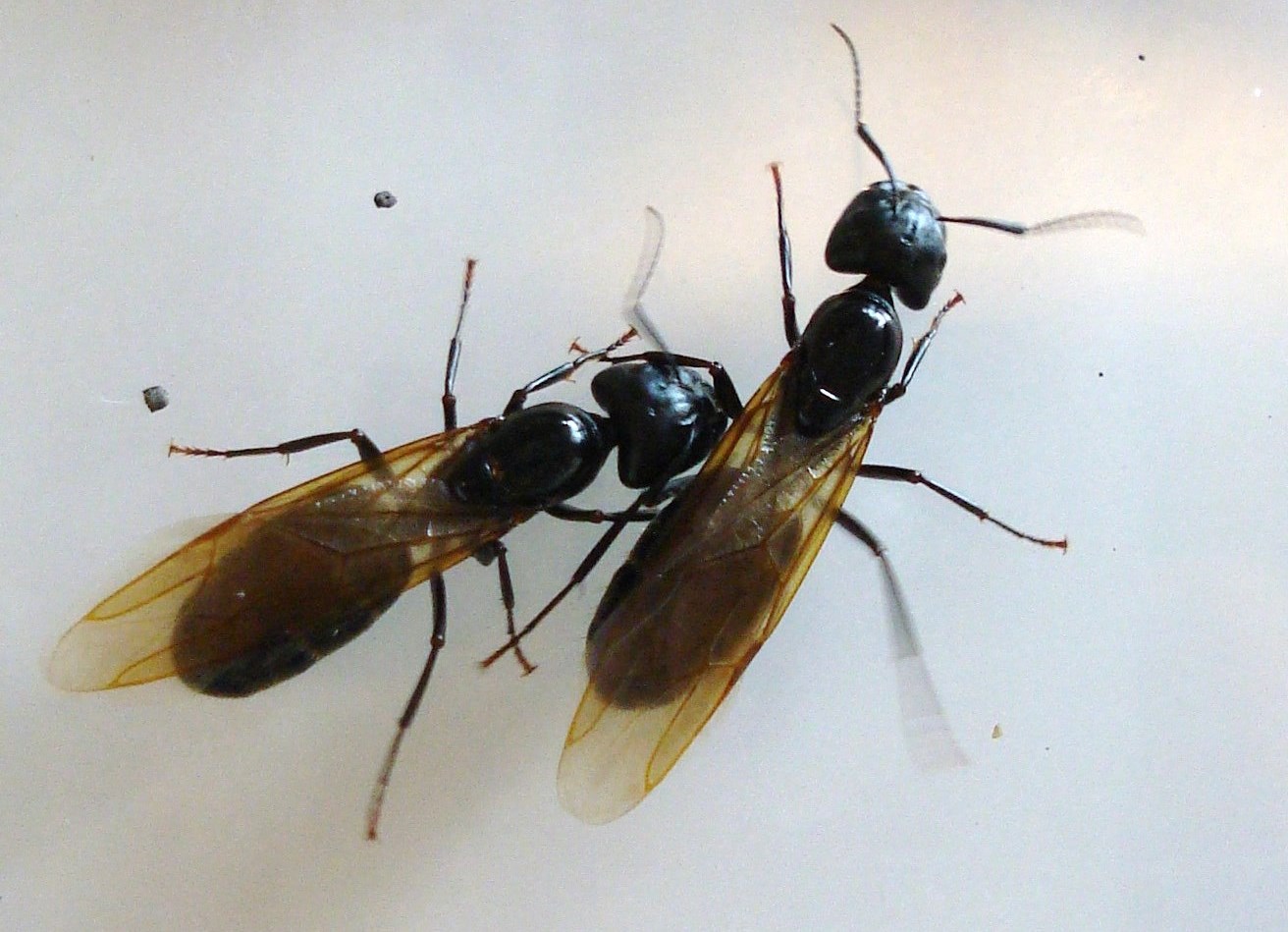
    One myth about Carpenter Ants is that they eat wood. However they do hollow out wood in order to nest. These ants are larger than a regular black ant, although size can vary.
    Finding a few carpenter ants in or around your log home is not a sign of infestation. If there are trees around your house, which there usually are, then you probably have carpenter ants in the area. In addition to nesting in wood they will often nest in Styrofoam (EPS) panels and other types of insulation.

    If you find numerous foraging ants, especially in your kitchen or bathroom you may have an infestation. A sure sign is the presence of large winged ants in late spring and early summer. Most colonies start outdoors in the cavity of a tree. As the colony grows, satellite colonies can happen in moist wood, foam panels within the house. Once these colonies are established chance of additional satellite colonies grows and infestation increases.

    Control and Prevention
    Be vigilant in checking for any moist areas in your home. Faulty plumbing or water penetration into log walls, are the most important areas to monitor. Most pesticides only create more problems by causing the ants to spread out and build new colonies. The better way is to treat logs with a borate such as Shell-Guard, Armor Guard or other Borate products.
    Carpenter Ant infestation is not an easy fix, and a Log Home Professional in the Log Home industry is your best bet for taking care of this problem.

    Source: http://westerloghomerestoration.com/Carpenter%20Ants-2.htm
    [/av_textblock]

    [/av_one_full]

  • Mold and Wood

    Mold and Wood

    [av_one_full first min_height=” vertical_alignment=” space=” custom_margin=” margin=’0px’ padding=’0px’ border=” border_color=” radius=’0px’ background_color=” src=” background_position=’top left’ background_repeat=’no-repeat’ animation=”]

    [av_image src=’https://www.logrestore.com/wp-content/uploads/2017/07/image-Mold-300×250.jpg’ attachment=’586′ attachment_size=’medium’ align=’center’ styling=” hover=” link=” target=” caption=” font_size=” appearance=” overlay_opacity=’0.4′ overlay_color=’#000000′ overlay_text_color=’#ffffff’ animation=’no-animation’][/av_image]

    [av_textblock size=” font_color=” color=”]
    Molds are part of a group called fungi, which can be tiny molds or large mushrooms. Fungi break down organic materials such as plants, leaves, wood fiber and other natural materials. Fungi grow and reproduce by way of spores.

    There are more than 100,000 species in the world and they have been on the earth for millions of years.
    You need not look far in your house for materials that; under certain conditions can be the breeding ground for mold. Only four things are needed to grow mold; food, suitable temperature, oxygen and moisture. They grow best at between 70 and 85 degrees Fahrenheit.
    The key element to have mold grow on wood is moisture.

    Discoloration from mold is usually contained to the surface of the wood. Stain fungi are different and penetrate deeply into the wood and darken as they age creating a “blue stain” in the wood.

    Decay fungi can grow when and if the wood is exposed to chronic moisture. These fungi, unlike molds attack deep and can reduce the strength and integrity of the wood.
    The biggest causes would be leaking pipes or prolonged seeping from outside water sources.
    Therefore for the health of the wood, a good maintenance plan for your house is best. Regular checking of all areas and proper treatment will save in the long run.

    Source: Http://www.logconstructionmanual.com
    [/av_textblock]

    [/av_one_full]

  • What is Chinking?

    What is Chinking?

    [av_one_full first min_height=” vertical_alignment=” space=” custom_margin=” margin=’0px’ padding=’0px’ border=” border_color=” radius=’0px’ background_color=” src=” background_position=’top left’ background_repeat=’no-repeat’ animation=”]

    [av_image src=’https://www.logrestore.com/wp-content/uploads/2017/07/chink2-300×188.jpg’ attachment=’489′ attachment_size=’medium’ align=’center’ styling=” hover=” link=” target=” caption=” font_size=” appearance=” overlay_opacity=’0.4′ overlay_color=’#000000′ overlay_text_color=’#ffffff’ animation=’no-animation’][/av_image]

    [/av_one_full][av_textblock size=” font_color=” color=”]
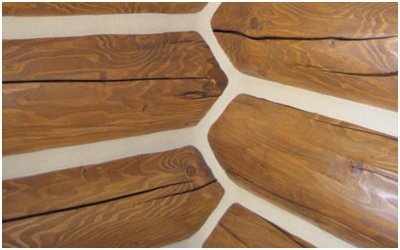
    Chinking is the art of applying a synthetic mix to the joints between the logs. This synthetic material has long lasting elasticity and pliability and will not crack, peel or pull away from properly prepared logs. It takes a special experience to create a professional look that will enhance your log home.

    The chinking on a log home is a finishing touch whether it is done during construction or years later in order to keep the interior warm a and keep the bugs and weather on the outdoors where they belong. Besides conserving energy and protecting the structure from insects and decay damage, chinking the log joints offers the opportunity control the look of you r home in a number of ways. Whether you want to brighten the interior with a light color, outline the logs in a contrasting color, or simply seal the walls with a color that blends in, there are a variety of different colors available.

    The benefits of chinking includes; enhances cosmetic appearance, creates insulation, resists water and air infiltration, allows the wood to breathe and increases the value of your home.

    Source www.ichink.com
    [/av_textblock]

  • Log home Maintenance and Repair

    Log home Maintenance and Repair

    [av_one_full first min_height=” vertical_alignment=” space=” custom_margin=” margin=’0px’ padding=’0px’ border=” border_color=” radius=’0px’ background_color=” src=” background_position=’top left’ background_repeat=’no-repeat’ animation=”]

    [av_image src=’https://www.logrestore.com/wp-content/uploads/2017/08/1500174127026458184S600x600Q85-300×163.jpg’ attachment=’373′ attachment_size=’medium’ align=’center’ styling=” hover=” link=” target=” caption=” font_size=” appearance=” overlay_opacity=’0.4′ overlay_color=’#000000′ overlay_text_color=’#ffffff’ animation=’no-animation’][/av_image]

    [/av_one_full][av_textblock size=” font_color=” color=”]
    As spring approaches, many folks are beginning to consider home maintenance and spring clean up. Whether it’s about cleaning out the gutters, digging up the garden or cleaning the exterior there are many things that need doing.
    Many log home owners will consider this an opportunity to have their log homes cleaned and re-stained, to maintain and increase the longevity of the home. If you own a log home, Log Home repair and maintenance should not be your second job. Cleaning and staining is a job for professionals, and contact with us could save you money in the long run.

    As you walk around your home look for areas on the exterior logs that are wet or covered with soil after a rain storm. Back splash is an enemy, this can be from a deck also. Look for discoloration of logs and clear away any shrubs that may be too close to the house to allow the logs to dry. Keep trees trimmed.
    Have a maintenance plan and contact us for help with planning what work needs attending to in order of priority. We personally recommend you keep a Log Home journal, to keep a plan of work needed and work completed, this is a great asset in a resale of any home. Who did what work and when; stain, chinking, preservatives, and repair records are of great importance.
    [/av_textblock]